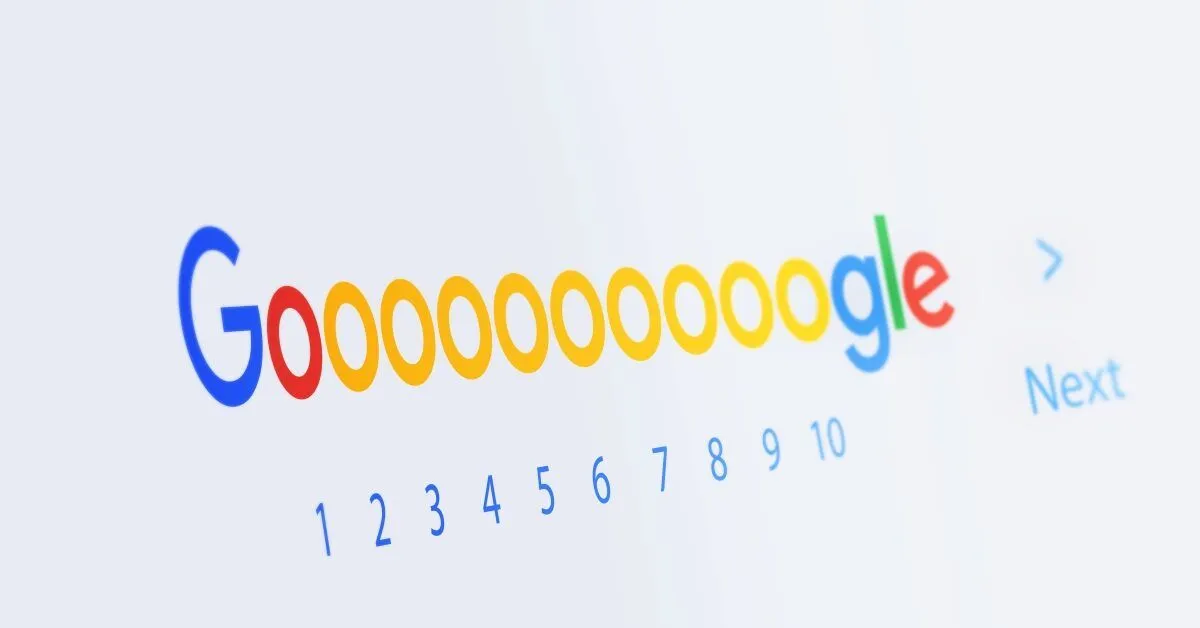
Google made a small change to search results - with an enormous implication for all of us:
Machine translation from the original post. Not reviewed by a human translator. Historical claims may no longer be current.
Google made a small change to search results - with an enormous implication for all of us:
Last month Google quietly removed the `num=100` parameter from search results.
The meaning is simple: you can no longer see 100 results on one page - the maximum is now only 10 results
Sounds insignificant, right? It also doesn't really affect us users, who usually stop at the first search results... so the catch is that it has an implication for the entire industry:
Most LLM systems (like OpenAI and Perplexity) rely directly or indirectly on Google's index, in addition to their own crawlers.
Overnight, their access to the "long tail" of the internet was cut by 90%.
The implications:
- According to an analysis that was done - 88% of sites saw a decline in impressions.
- Reddit, which is usually ranked in positions 11-100, experienced a sharp drop in citations from LLM models. As a result its stock fell 15%.
For startups this is devastating. Exposure became much harder. The whole world of SEO and AEO changed.
With such a small change, all the rules of the game changed - it's no longer enough to build an excellent product, you have to crack distribution first, because if people aren't exposed to you, they also won't be able to appreciate you.
Most entrepreneurs ignore this fact, but a mediocre product with excellent distribution will always beat an excellent product with weak distribution. That's the name of the game, and we see it all the time around us - companies that know how to market well succeed enormously even with fairly "plain" products that one could raise an eyebrow at regarding the innovation or the news they bring.
As Peter Thiel said:
"Most businesses fail to get even a single distribution channel to work.
Poor sales is the most common cause of failure, not a bad product.
If you manage to get one channel to work, you have a great business.
If you tried several and didn't succeed in any - you're finished.
A great sales and distribution system alone can create a monopoly, even without product differentiation.
The opposite is not true. No matter how strong the product - even if it easily fits existing habits and everyone likes it immediately - you still have to back it up with a strong distribution plan."
Distribution > product
On the internet there are two main players that control distribution - Google in search, and Meta in discovery. With every tiny change either of them makes, a whole industry changes before our eyes.