When ChatGPT becomes an unexpected partner in an act of terror 🚨
Machine translation from the original post. Not reviewed by a human translator. Historical claims may no longer be current.
When ChatGPT becomes an unexpected partner in an act of terror 🚨
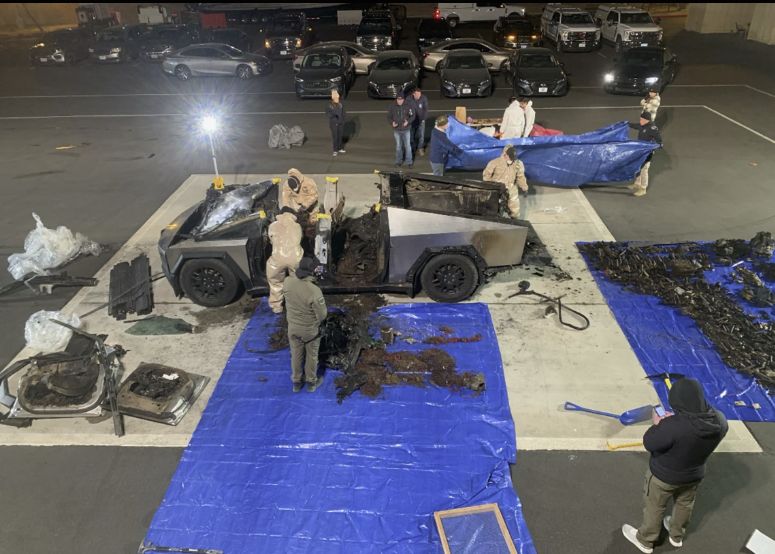
A few days ago, a Tesla Cybertruck exploded outside the Trump hotel in Las Vegas, in an incident that stunned the world. After a preliminary investigation a surprising detail was revealed: Matthew Livelsberger, a 37-year-old former soldier from Colorado Springs, used ChatGPT to plan the act.
How did GPT serve him?
Livelsberger turned to ChatGPT with technical questions on general topics, including:
* Calculating exact quantities of materials required to create a certain explosive force.
* Understanding engineering principles for planning the maximum effect of the explosion.
* Help in phrasing general messages he planned to distribute after the incident.
Did GPT know?
ChatGPT has no ability to understand the intent behind questions, unless the user states it explicitly.
If Livelsberger did not state that he was planning an explosion, the system could not have known that the questions were meant for such a purpose. It is important to emphasize that the system does not reveal information about preparing explosives or other dangerous content.
AI systems like ChatGPT operate according to ethical guidelines and are meant to prevent misuse as much as possible, but cannot guess the purpose behind technical questions that on their face look innocent, and thus provide for every person whatsoever, whether their intentions are good or bad.
The challenge we face with artificial intelligence, which was developed to help with writing, planning and learning, is that it can become a tool in the hands of a person with bad intentions. Authorities in the US are already warning of the need for regulatory restrictions and closer oversight of the use of such tools. 🚙 🤖 🎆