YouTube’s monetization fight with automated content
Originally posted on LinkedIn, July 13, 2025.
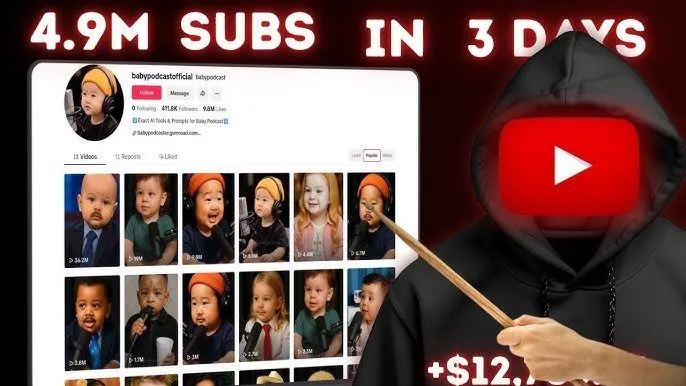
An arms race is underway on YouTube. Channels such as “Reddit Stories” now run with almost complete automation: a bot collects stories from Reddit, an AI tool turns them into scripts, a synthetic voice reads them, and the video shows looping Minecraft gameplay, a narrating baby, or someone peeling an orange.
The model is simple. Upload dozens of videos a day, optimize for quantity rather than quality, and let the algorithm take it from there. It works. One such channel generated hundreds of thousands of subscribers, millions of views, and thousands of dollars without a person writing, speaking, or filming anything.
YouTube’s response came quickly. Starting July 15, 2025, it will stop allowing monetization for videos created entirely with AI. YouTube calls this “inauthentic content” and describes the move as a “minor policy change,” but it draws a clear new boundary.
I don’t see this as a fight between creators and AI. It is a fight between platforms and algorithms. These tools give anyone capabilities once reserved for content studios, while also flooding platforms with indiscriminate noise. YouTube is not fighting automated creativity as much as protecting what makes the platform work: authenticity, a direct connection between creator and viewer, and the trust that your time is being spent on something a person actually made.
The problem is that the same tools are already part of human creative work. They are used not only to fake content, but also to polish, speed up, test, and assist. The line between “original content” and “generic content” is already almost impossible to define. YouTube may find that it cannot reliably tell them apart and will have to change the rules again, this time in favor of the machine.