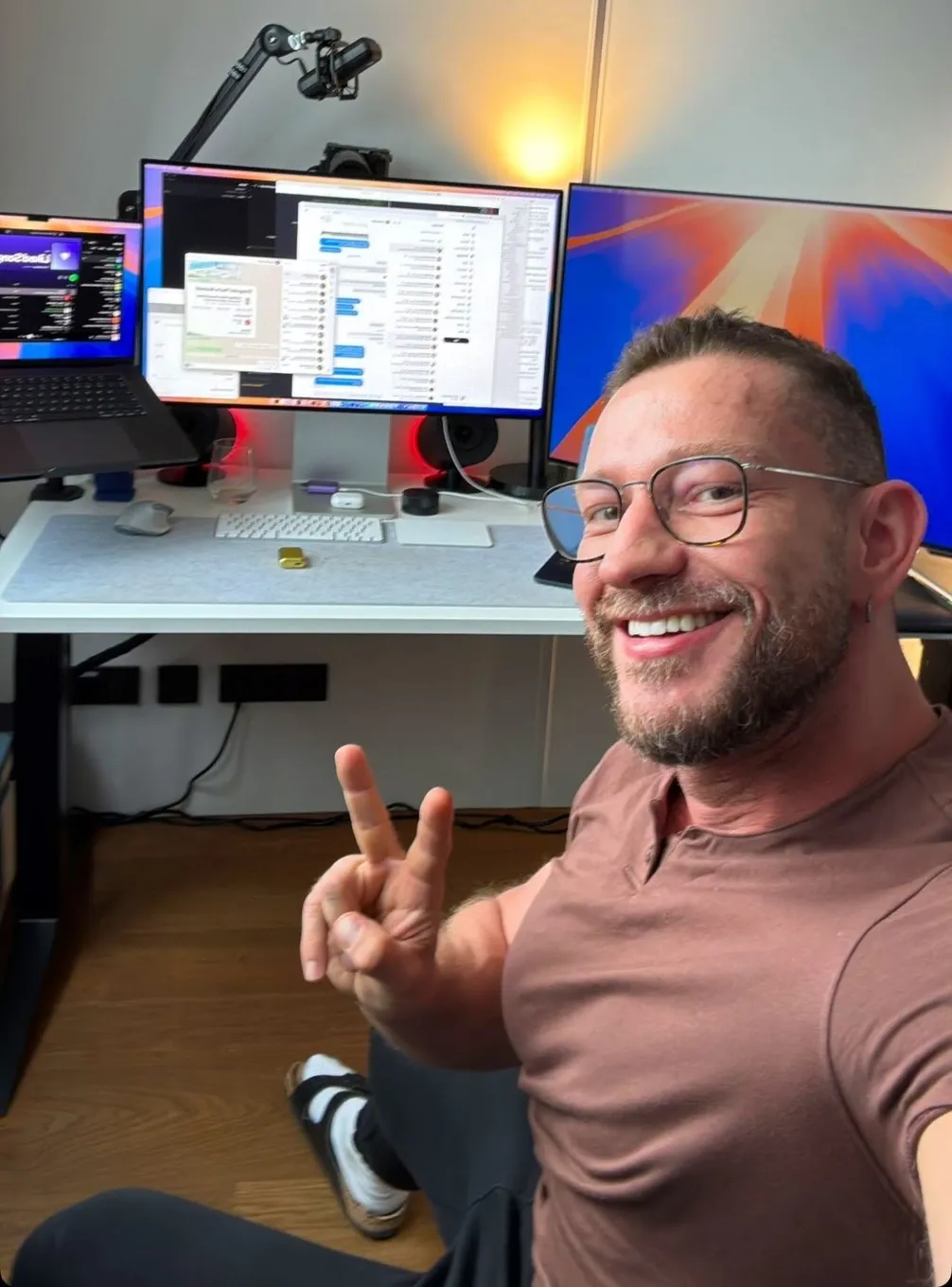
How OpenClaw became GitHub's fastest-growing project
Originally posted on LinkedIn, February 17, 2026.
Peter Steinberger built a prototype in one hour. Within weeks, OpenClaw became the fastest-growing open-source project in GitHub history, reaching 180,000 stars.
Before that, Steinberger spent 13 years building PSPDFKit, PDF infrastructure that ran on 1 billion devices. He managed a team of 70 people, served customers including Apple and Adobe, and sold the company to Insight Partners for €100 million. Then he crashed. He disappeared for three years, did not touch a computer, and could not write code or even want to write code anymore.
AI brought him back. That part feels familiar to me. He started playing with agents, building small things, breaking them, and fixing them. The fun slowly returned.
In February 2026, he joined Lex Fridman for a three-hour conversation. Lex asked the right question: Why did you win? In 2025, every startup and major tech company was trying to build a personal agent. They spent hundreds of millions of dollars and put teams of dozens of engineers on the problem, but nobody broke through.
Then one person in Vienna, with no team, no investors, and no plan, built the thing everyone else had been trying to make. His answer was simple: "Everyone took themselves too seriously." He built a toy he wanted to play with, and it exploded.
Once OpenClaw took off, Mark Zuckerberg installed it, played with it for a week, and sent Steinberger feedback over WhatsApp. Sam Altman spoke with him personally. Both wanted to acquire the project. Steinberger had one condition: the code had to remain open and could not belong to any company.
The project is still losing him between $10,000 and $20,000 a month. He passes every donation on to the projects OpenClaw depends on. He also paid $10,000 out of his own pocket to recover his Twitter account after crypto thieves hijacked the name, leading to five name changes in three months. At one point, he came close to shutting everything down, but kept going because a community had already formed around it.
When Lex asked what advice he had for people who wanted to build something, Steinberger gave a one-word answer: play. Build things even when they do not work and even when nobody will use them, because building is the point.
The same pattern appears again and again among people who build things that change markets. They rarely start with a plan. They start with curiosity, fun, and a position where they have nothing to lose. That may be the advantage: without a business plan, there are no constraints stopping you from building the right thing.